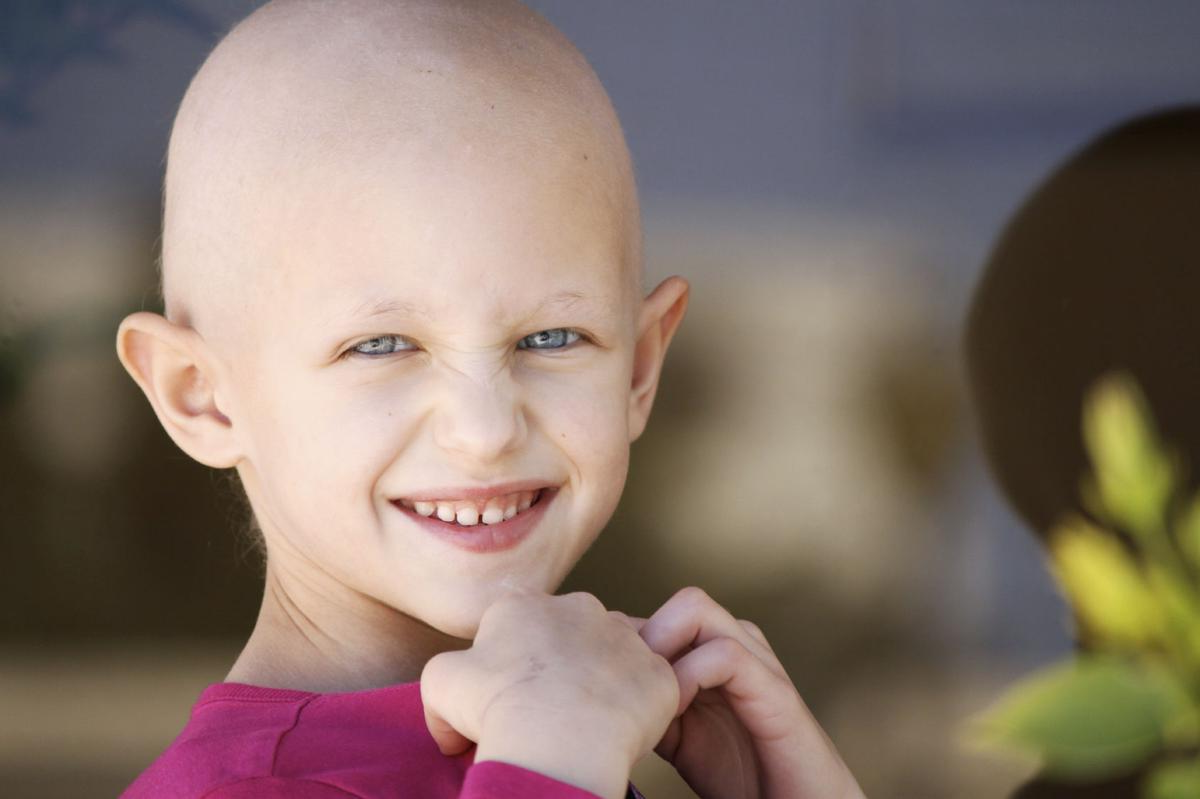
Your doctor can notify you whether your particular chemotherapy treatment is likely to cause hair loss. This permits you to plan ahead for head coverings or treatments to reduce locks loss.
You might not think about how exactly important your hair truly feels face losing it. Of course, if you have cancer and are about to undergo radiation treatment, the chance of locks loss is very real. Both men and women report hair loss as one of the aspect effects they fear most after being diagnosed with cancer.
For many, hair damage is a symbol to the world that you have cancer. In the event you usually are comfortable sharing this info with others, you may dread this side effect more than other chemotherapy complications. Talking to your cancer proper care team with your concerns and preparing for the chance of hair loss can help you cope with this difficult side effect of treatment.
Why does it take place?
Chemotherapy drugs are powerful medications that attack quickly growing cancer cells. Sadly, these drugs also attack other rapidly growing skin cells in your body — including those in your hair roots.
Chemotherapy may cause hair loss all over your system — not simply on your scalp. At times your eyelash, eyebrow, underarm, public and other body hair also falls out. Some chemotherapy drugs are more likely than others to cause hair damage, and different doses can cause anything from a mere thinning to complete baldness.
Talk to your doctor or nurse about the medication you’ll be taking. They can tell you what to anticipate.
Fortunately, almost all of the time baldness from chemotherapy is temporary. You can expect to regrow your hair three to half a dozen months after your treatment ends, though nice hair may temporarily be a different shade or texture.
Things should you expect?
Curly hair usually will begin falling away two to four time after you start treatment.
It could fall away very quickly in clumps or gradually. You will most probably notice accumulations of loose curly hair on your pillow, in your hairbrush or hair comb, or in your sink or shower drain. One’s scalp may feel tender.
Your hair loss will continue throughout your treatment or more to a few weeks afterward. Whether your hair thins or you become completely bald will depend upon your treatment.
Many people with cancer report lock loss as a distressing side effect of treatment. Each time you get a glimpse of yourself in a mirror, your altered appearance is a prompt of your illness and everything you’ve experienced since your diagnosis.
When will your hair grow back?
It might take several weeks after treatment for your hair to recover and get started growing again.
When your hair starts to increase back, it will eventually probably be slightly different from your hair you lost. But the difference is usually momentary.
Your hair might have a different texture or color. It might be curlier than it was before, or it could be gray until the cells that control the color in your hair start functioning again.
Hair loss occurs because chemotherapy targets all rapidly dividing cells—healthy cells as well as cancer cells. Hair follicles, the structures in the skin filled with little blood vessels that make hair, are a few of the fastest-growing cells in the body. If if you’re not in cancer treatment, your hair follicles split every 23 to seventy-two hours. But as the chemo does its work against cancer cells, it also destroys hair skin cells. Within a few weeks of starting chemo, you may lose some or all of your hair.
In the event that you are having chemotherapy, your hair loss may be gradual or significant: clumps in your hairbrush, handfuls in the tub drain or on your pillow. Whichever way it occurs, it’s startling and gloomy, and you’ll have to have a great deal of support during this time.
Some chemotherapy drugs affect only the hair on your head. People cause the loss of eyebrows and eyelashes, pubic hair, and hair on your legs, arms, or underarms.
The extent of hair loss depends upon which drugs or other treatments are used, and for how long. The many classes of chemotherapy drugs all produce different reactions.
Finally, the timing of your treatments will also affect hair loss. Some types of chemotherapy are given every week and small doses, and this minimizes hair reduction. Other treatments are scheduled every three to four weeks in higher dosage amounts and could be more likely to cause more curly hair loss.
Chemotherapy drugs
Adriamycin (the “A” in CAF chemo treatment) causes complete hair loss on the head, usually during the first few weeks of treatment. Some women lose eyelashes and eyebrows.
Methotrexate (the “M” in CMF chemo treatment) thins locks in some individuals but not others. And it’s unusual to have complete locks loss from methotrexate.
Cytoxan and 5-fluorouracil cause minimal hair loss in most women, but some may lose a great deal.
Taxol usually causes complete hair thinning, including head, brows, lashes, pubic area, legs, and arms.
Other types of breast cancer treatments may also cause hair loss. Like
Radiation treatment
The radiation only causes hair damage to a particular part of the body cured. If radiation is employed to treat the breast, there is no hair damage on your head. Nevertheless, there might be loss of hair around the nipple, for women who have locked in that location. Radiation to the brain used to treat metastatic malignancy in the brain usually causes complete hair damage on the head.
Hormonal treatments
Tamoxifen may cause some thinning of your hair, although not baldness.
Simply no matter how forewarned you are and how ready you think you are, it certainly is a terrible impact when your hair is categorized out.

 Ritesh Blog